The Hour of Truth
The Breach of Trust
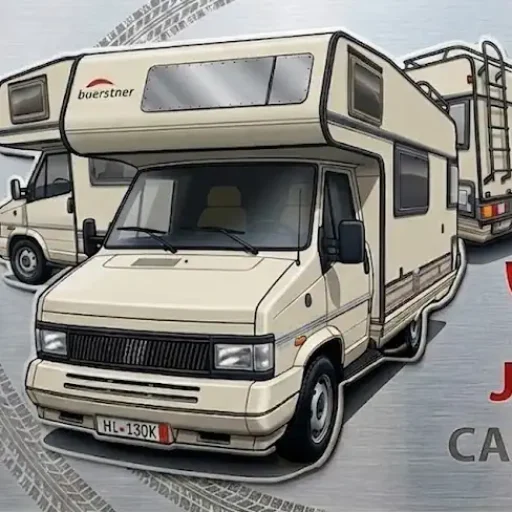
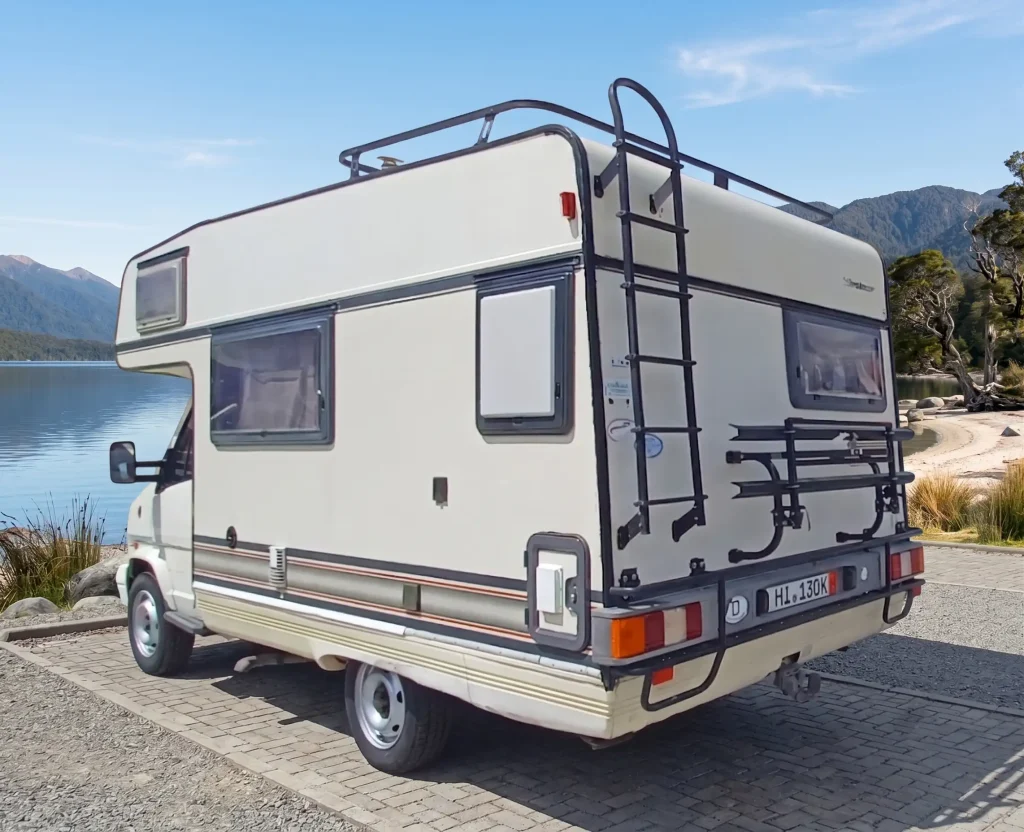
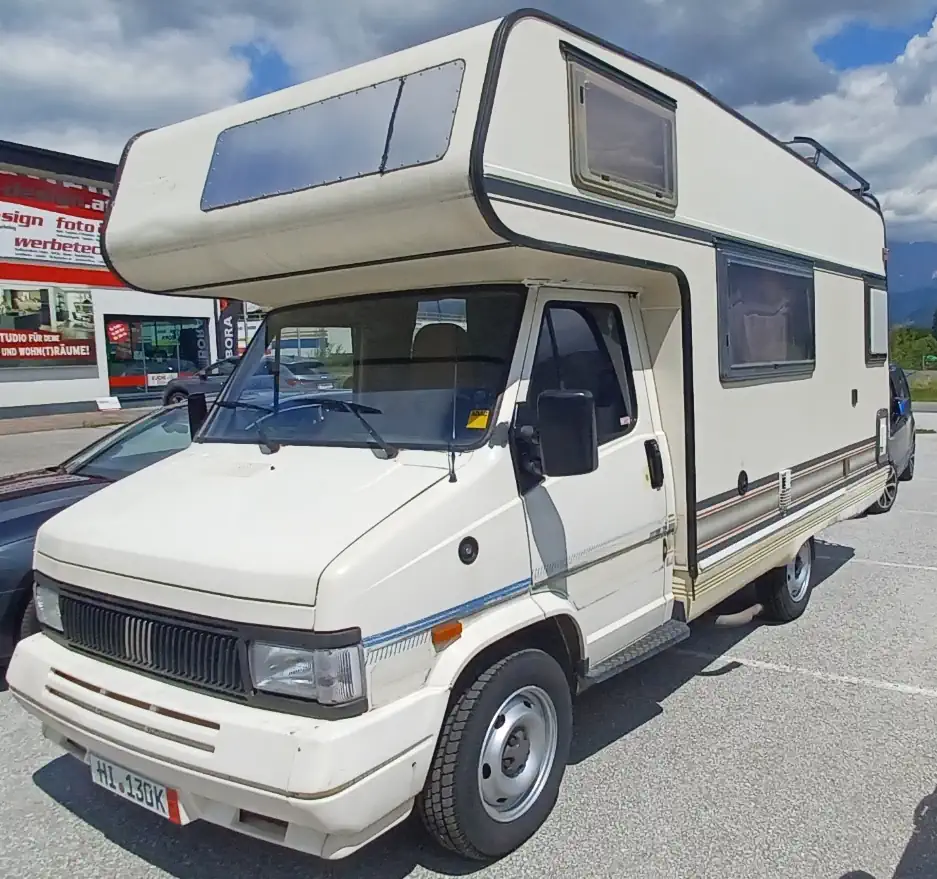
The first emotional high had faded. After the Fiat Ducato 280 290 with its Bürstner motorhome body finally returned to my parking space following eight long years of uncertainty, March revealed its true condition. I inspected every part of the vehicle with great care. What I found beneath the body, throughout the interior, and inside the engine compartment had little in common with the normal signs of age you would expect from a classic vehicle. Instead, I uncovered the harsh reality of a botched purchase. The previous owner had abused my trust and concealed serious defects.
Anyone who buys a vehicle with official documents showing a valid German roadworthiness inspection until 2027 expects a certain minimum technical standard. You expect the essential safety systems to work properly. You also expect the vehicle to be safe for public roads. My inspection in March told a very different story. Every new discovery raised more questions. The inspection certificate could only have been issued under highly questionable circumstances.
The Ticking Time Bomb
Looking back, driving the Ducato home from Lower Saxony under its own power was an unpredictable and dangerous risk. It was only after carrying out a careful inspection at my parking space that I noticed the true age of the tires. At first glance, the tires in size 195/75 R16C still appeared to be roadworthy and had more than enough tread remaining. A closer look at the DOT markings, however, revealed that the rubber was well over ten years old.
Rubber deteriorates with age. It loses the compounds that keep it flexible, becomes brittle, and is far more likely to suffer a sudden blowout when exposed to sustained loads and higher speeds on the motorway. Sending us onto the road in a motorhome weighing more than 2.6 tonnes on tires in that condition without saying a single word about their age was nothing short of gross irresponsibility. It demonstrated that the seller had no real concern for the safety of the buyers when handing over the vehicle.
Complete technical uncertainty soon followed. The 2.5 litre turbo diesel engine produced 70 kilowatts and 95 horsepower. It ran smoothly and showed no obvious mechanical problems. However, I found no written records, invoices, or service documents that confirmed its maintenance history. Nobody could tell me when the timing belt had last been replaced. The same applied to the engine oil and the transmission oil. There was simply no reliable maintenance record. Anyone familiar with the older engines of the 290 series knows what this means. A failed timing belt almost always destroys the engine because of its design. Without proper documentation, you have to start from the beginning. Every maintenance decision becomes guesswork because nobody knows what work was actually carried out in the past.
The workshop completely rebuilt the rear braking system. It fitted new brake drums, new brake shoes, new wheel cylinders, and new brake lines. The condition of the brakes raised serious questions about the roadworthiness inspection. It looked far more like a friendly favour than an independent technical assessment.
The Rear Brake Disaster
To gain certainty about the true mechanical condition of the vehicle, I arranged a thorough pre inspection in March. The results on the brake testing equipment came as a genuine shock. The braking performance of the rear drum brakes was virtually nonexistent. Although the brake pedal still felt normal, there was no measurable braking force reaching the rear wheels. In an emergency stop with the motorhome fully loaded, this condition would almost certainly have ended with the vehicle leaving the road or crashing into the vehicle ahead.
At this point I had to recognize my own limits. I could not rebuild an entire braking system safely on an outdoor parking space. I also had no vehicle lift, and the weather changed constantly. I therefore took the Ducato to a professional workshop. The mechanics completely rebuilt the rear braking system. They installed new brake drums, new brake shoes, new wheel cylinders, and new brake lines. The repair had barely been completed when the next fault appeared. The first one thousand euros had already disappeared from the restoration budget. The load sensing brake pressure regulator on the rear axle had seized because of corrosion. It no longer adjusted the braking force to match the vehicle’s load. The workshop replaced the regulator with a new unit.
One question became impossible to ignore. How did this vehicle pass an official German roadworthiness inspection in this condition? A rear braking system that barely worked is a serious safety defect. The inspection certificate remained valid until 2027. That raised serious doubts about the quality and independence of the inspection. At that point one unavoidable question remained. How did this vehicle pass an official German roadworthiness inspection in such a condition? A rear braking system that does not function properly is a serious defect that represents a clear danger to road safety. The fact that this vehicle still carried a valid inspection certificate until 2027 strongly suggested that the inspection had been little more than a friendly favour rather than an independent and objective technical assessment.
Electrical Botch Work and Worn Out Mechanics
Alongside the serious mechanical safety issues, the electrical system in the cockpit and at the front of the vehicle revealed a long list of improvised repairs and thoroughly unprofessional workmanship. The first indication was the headlight leveling system. Whenever the switch on the dashboard was operated, the adjustment motors could clearly be heard running, yet the headlight beams did not move even a single millimetre.
To identify the cause of the problem, I removed the leveling motors for closer inspection. What I found was rather bizarre. The motors themselves were receiving power and operated normally, but the internal actuator rods, the threaded shafts responsible for raising and lowering the headlights, remained completely motionless. The delicate mechanism inside the housings had simply worn out over the years and seized beyond use.
Improvised Repairs Everywhere
As if that were not enough, it became clear that someone had installed old adjustment motors from a Ford, components that were never intended for use in a Ducato. It was a classic example of a cheap improvised repair designed to create the illusion of a functioning system when in reality it no longer worked at all.
The problems did not end there. The horn had stopped working completely, and tracing the fault pointed to corroded electrical contacts and damaged wiring around the steering column. The heater blower for the driver’s compartment was also inoperative. During the cold days of March this was an unacceptable condition because without a functioning blower it was impossible to keep the windscreen free from condensation, making safe driving virtually impossible.
Appearance Over Reality
The scuttle panel beneath the windscreen where the windscreen wiper arms are mounted had rusted through in several places.
Rust Damage and Clouded Glass
A closer inspection of the front bodywork confirmed the growing impression that defects had been ignored for years or concealed with amateur repairs. The scuttle panel beneath the windscreen where the windscreen wiper arms are mounted had rusted through in several places. Water was able to flow freely through these openings into the area behind the dashboard. The seller did not mention these serious corrosion problems with a single word before the purchase.
The windscreen itself had also developed extensive clouding around its edges. Over the years moisture had penetrated the laminated safety glass, causing the individual layers to separate. This not only reduced visibility but would almost certainly lead to a failed roadworthiness inspection. The corroded metal surrounding the area would have to be cut out and welded, and the windscreen itself would need to be replaced completely.
Among the cosmetic and functional problems discovered in March were the driver and passenger doors. At some point in the past, bulky aftermarket security locks had been drilled and bolted directly into the original body panels. These locks no longer served any purpose because the keys were missing and the internal mechanisms had seized. They disfigured the original appearance of the vehicle and, once removed, left unsightly holes in the sheet metal that would have to be repaired and carefully restored.
Giving Up Is Not an Option
Der März 2026 war ein schwerer Schlag für die anfängliche Euphorie, für die Motivation und vor allem für die kalkulierte Urlaubskasse. Die Erkenntnis, dass hier beim Kauf bewusst geschwiegen, vertuscht und gepfuscht wurde, hinterlässt einen bitteren Beigeschmack. Das Vertrauen in das Wort des Verkäufers wurde fundamental missbraucht.
Doch der Ducato wird deswegen nicht aufgegeben. Die Geschichte des Fahrzeugs und der persönliche Wert wiegen schwerer als der Ärger über den Pfusch. Die Bestandsaufnahme ist abgeschlossen, die Fronten sind geklärt. Ab jetzt wird nicht mehr nur untersucht, sondern repariert. Wir fangen an, diese Mängelliste systematisch, ehrlich und ohne faule Kompromisse abzuarbeiten – von der Bremse bis zum Blech.
Further Reading
The electrical repairs and the preparation of the bodywork required specialised tools and selected materials that proved their value while working on the parking space. A detailed overview of the equipment and materials used can be found in the Tools and Materials section.