La hora de la verdad
La pérdida de confianza
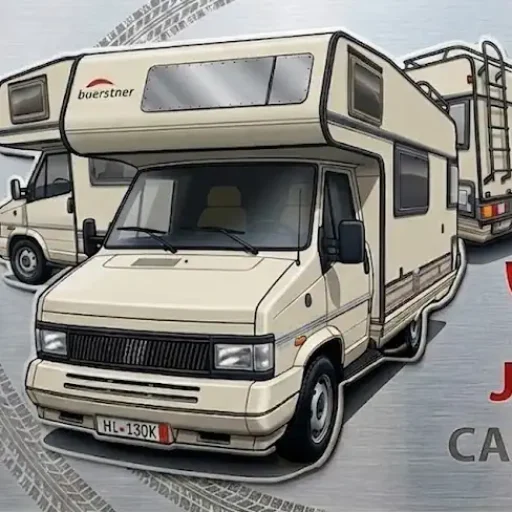
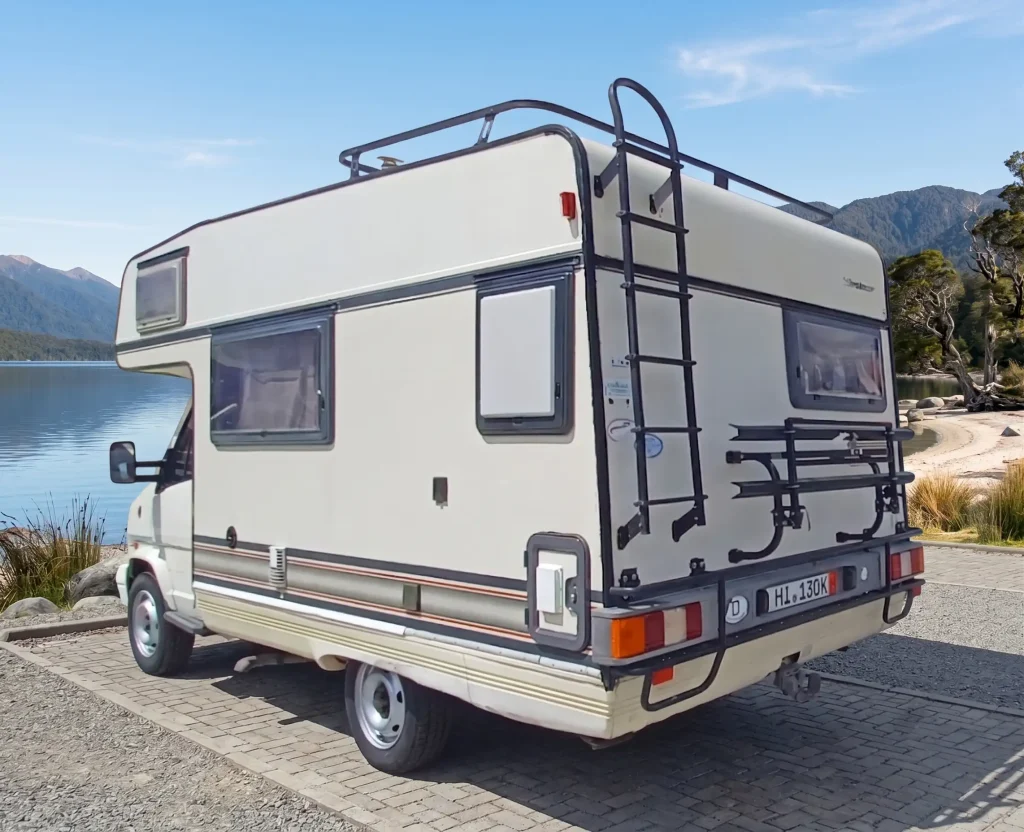
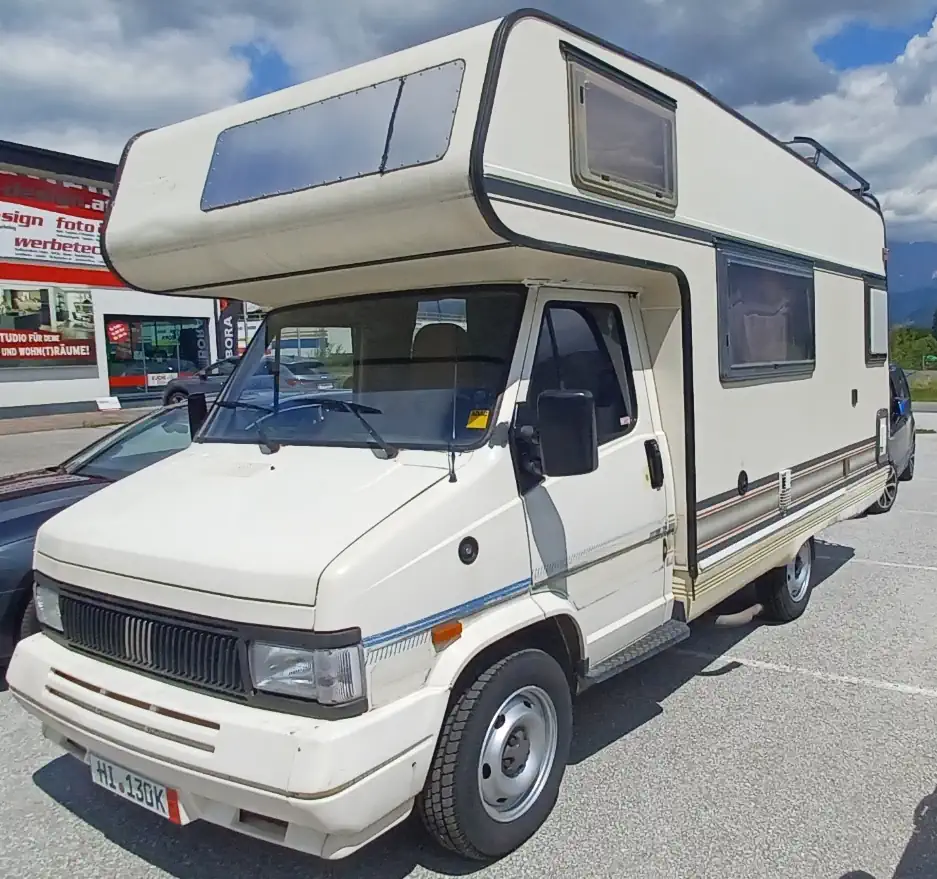
El primer entusiasmo emocional ya había desaparecido. Después de que el Fiat Ducato (serie 280/290) con carrocería Bürstner volviera por fin a estar en mi aparcamiento tras ocho largos años de incertidumbre, marzo trajo consigo una inspección minuciosa y sin concesiones. Lo que encontré bajo la carrocería, en el interior y en lo más profundo del compartimento del motor iba mucho más allá de los problemas habituales provocados por la edad de un vehículo clásico. Era la dura y desalentadora realidad de una compra desastrosa, en la que mi confianza en el anterior propietario había sido aprovechada sin ningún escrúpulo.
Cuando uno adquiere un vehículo que, según la documentación oficial, cuenta con una inspección técnica alemana (TÜV) válida hasta 2027, es lógico esperar un nivel mínimo de seguridad y de estado técnico. Se da por hecho que los sistemas esenciales funcionan correctamente y que el vehículo es apto para circular. Sin embargo, durante marzo fui descubriendo, paso a paso, que esa certificación solo podía haberse obtenido en circunstancias muy cuestionables.
La bomba de relojería
Looking back, driving the Ducato from Lower Saxony under its own power was an unpredictable and dangerous risk. It was only after I inspected the tires more closely at my parking spot that I noticed their true age. At first glance, the tires (size 195/75 R16 C) still looked roadworthy and had plenty of tread left. However, a closer look at the DOT code revealed that they were well over ten years old.
Rubber ages over time. It loses its elasticity, becomes brittle, and is far more likely to suffer a sudden blowout under continuous load and at motorway speeds. Sending us onto the road in a motorhome weighing more than 2.6 tonnes on tires in that condition, without saying a single word about it, was nothing short of irresponsible. It showed that the seller had no concern whatsoever for the safety of the buyers when handing over the vehicle.
This realization was quickly followed by complete technical uncertainty under the hood. Although the 2.5-liter turbo diesel (TD) producing 70 kW (95 hp) ran smoothly from a mechanical standpoint, there were no written records, invoices, or service documents to confirm its maintenance history. There was no reliable information about when the timing belt had last been replaced, let alone when the engine oil or gearbox oil had last been changed. Anyone familiar with the 290 series engines knows exactly what that means. If the timing belt fails, the engine is likely to suffer catastrophic damage due to its design, making a repair economically impractical. Without any documentation, you are forced to start from scratch, working in the dark every step of the way.
The entire rear braking system had to be completely overhauled and replaced, including new brake drums, new brake shoes, new wheel cylinders, and new brake lines. It strongly suggested that the roadworthiness inspection had been little more than a favor between friends.
El desastre de los frenos del eje trasero
To find out the true condition of the vehicle, I arranged a thorough pre-inspection in March. The result on the brake testing bench was a complete shock. The rear drum brakes produced virtually no braking force at all. The brake pedal still felt normal, but there was no measurable braking effect at the rear wheels. In an emergency stop with the motorhome fully loaded, this would almost certainly have ended in a ditch or in the back of the vehicle ahead.
At this point, you also have to recognize your own limits. Completely overhauling a braking system is neither safe nor practical on an open parking lot without a vehicle lift and under constantly changing weather conditions. I therefore entrusted the Ducato to a professional workshop to have the work carried out properly. The entire rear braking system had to be rebuilt from scratch, including new brake drums, new brake shoes, new wheel cylinders, and new brake lines. No sooner had this major repair been completed and the first €1,000 of the budget had disappeared than the next fault in the same system came to light.
The load-sensing brake force regulator on the rear axle had seized with rust and was no longer working. It was no longer able to adjust the braking force according to the vehicle’s load, so this component also had to be replaced. At that point, one question became impossible to ignore: How could this vehicle have passed an official German roadworthiness inspection in this condition? A non-functioning rear brake is a serious safety defect. The fact that it still carried a valid inspection sticker until 2027 strongly suggests that the inspection was little more than a favor between friends.
Chapuzas eléctricas y mecánica desgastada
In addition to the safety-critical mechanical issues, the electrical system in the cockpit and at the front of the vehicle revealed a long history of amateur repairs and poor workmanship. The first sign was the headlight leveling system. Whenever I operated the switch on the dashboard, I could clearly hear the adjustment motors humming away, yet the headlight beams did not move a single millimeter.
To find the cause of the problem, I removed the headlight leveling motors. What I discovered was rather bizarre. The motors themselves were receiving power and running normally, but the integrated actuator rods, the threaded shafts responsible for raising and lowering the headlights, did not move at all. After so many years, the delicate internal mechanism had simply worn out completely and seized.
As if that were not enough, I discovered that old adjustment motors from a Ford had been installed, components that were never designed for use in a Ducato. It was a classic example of a cheap improvised repair intended to create the illusion of a working system when, in reality, it no longer functioned at all.
The problems did not end there. The horn had stopped working completely, and tracing the fault pointed to corroded electrical contacts and damaged wiring around the steering column. The heater blower for the cab was also out of service. During the cold days of March, this was more than just an inconvenience. Without a functioning blower, it was impossible to keep the windshield free from condensation, creating a serious safety issue while driving.
The cowl panel, the section directly below the windshield where the windshield wiper arms are mounted, had rusted through in several places.
Daños por corrosión y cristales opacos
A closer look at the front of the bodywork confirmed my growing suspicion that many defects had been ignored for years or concealed with amateur repairs. The cowl panel, the section directly below the windshield where the windshield wiper arms are mounted, had rusted through in several places. Water was able to flow freely into the area behind the dashboard. The seller never mentioned these areas of severe corrosion before the purchase.
The windshield itself had also developed extensive clouding around its edges. Over the years, moisture had penetrated the laminated safety glass, causing the layers to separate. This not only impaired visibility but would almost certainly lead to a failed roadworthiness inspection. The rusted metal around the frame would have to be cut out and welded, and the windshield itself would need to be replaced.
The driver’s and passenger’s doors presented another frustrating discovery in March. At some point in the past, bulky aftermarket security locks had been drilled and bolted onto the original door panels. By the time I bought the vehicle, however, these locks served no purpose at all. The keys were missing, and the mechanisms had seized internally. Besides spoiling the original appearance of the Ducato, removing them would leave unsightly holes in the sheet metal that would also need to be repaired.
Rendirse no es una opción
March 2026 was a heavy blow to my initial enthusiasm, my motivation, and, above all, the budget I had set aside for this project. Realizing that important defects had been deliberately concealed and covered up before the sale left a bitter taste. My trust in the seller’s word had been fundamentally betrayed.
Even so, giving up on the Ducato has never been an option. Its history and personal significance mean far more to me than the frustration caused by these botched repairs. The inspection is complete, and I now know exactly what I am dealing with. From this point on, the focus is no longer on uncovering problems but on fixing them. One by one, every defect will be repaired properly, honestly, and without shortcuts, from the braking system to the bodywork.
Nota: Los trabajos en el sistema eléctrico y la preparación de la carrocería requirieron herramientas específicas y materiales que demostraron ser especialmente útiles durante la restauración en el aparcamiento. Encontrarás un resumen detallado en la categoría Herramientas y materiales.